Queens Coops for Sale
The coop market in Queens, tracked as its own segment — inventory, pricing, and pace measured for coops specifically, not blended with houses.
Buyer's Market Based on months of inventory for coops specifically — not blended with houses. As of October 2026.
Queens Coops: Where the Market Is Heading
Prices in the Queens coop market have tracked sideways over the past 2 years — the monthly median has moved between $295K and $358K and sits near $332K, with no clear directional trend taking hold. Homes here have lately been going under contract in roughly 96 days.
Which Queens coops are for sale right now?
The 6 newest active coop listings in Queens.
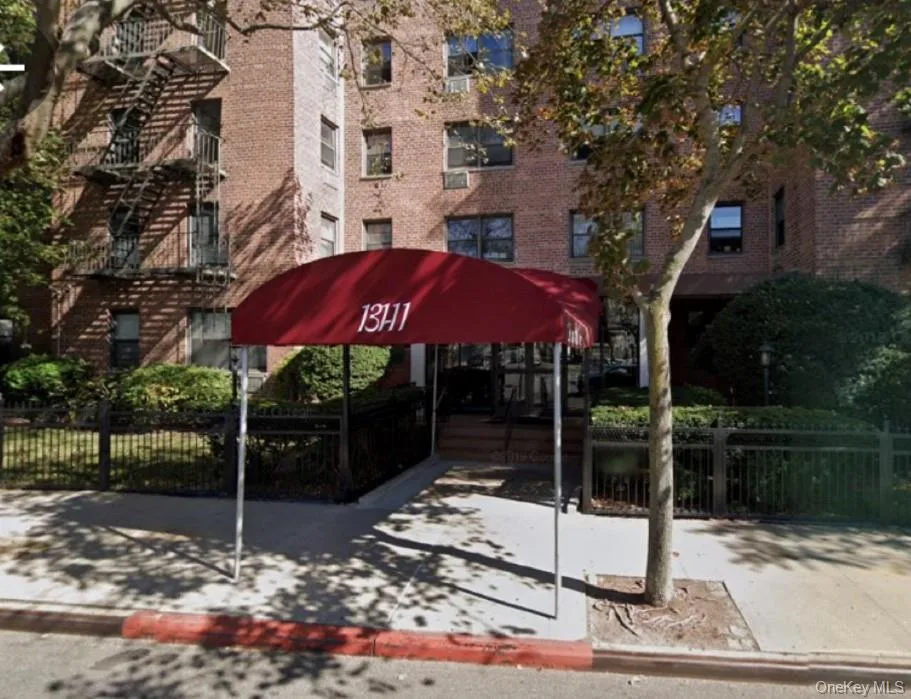 $310K
131-11 Kew Gardens Road #1-D, Kew Gardens
Listing courtesy of HomeSmart CrossIsland
$310K
131-11 Kew Gardens Road #1-D, Kew Gardens
Listing courtesy of HomeSmart CrossIsland
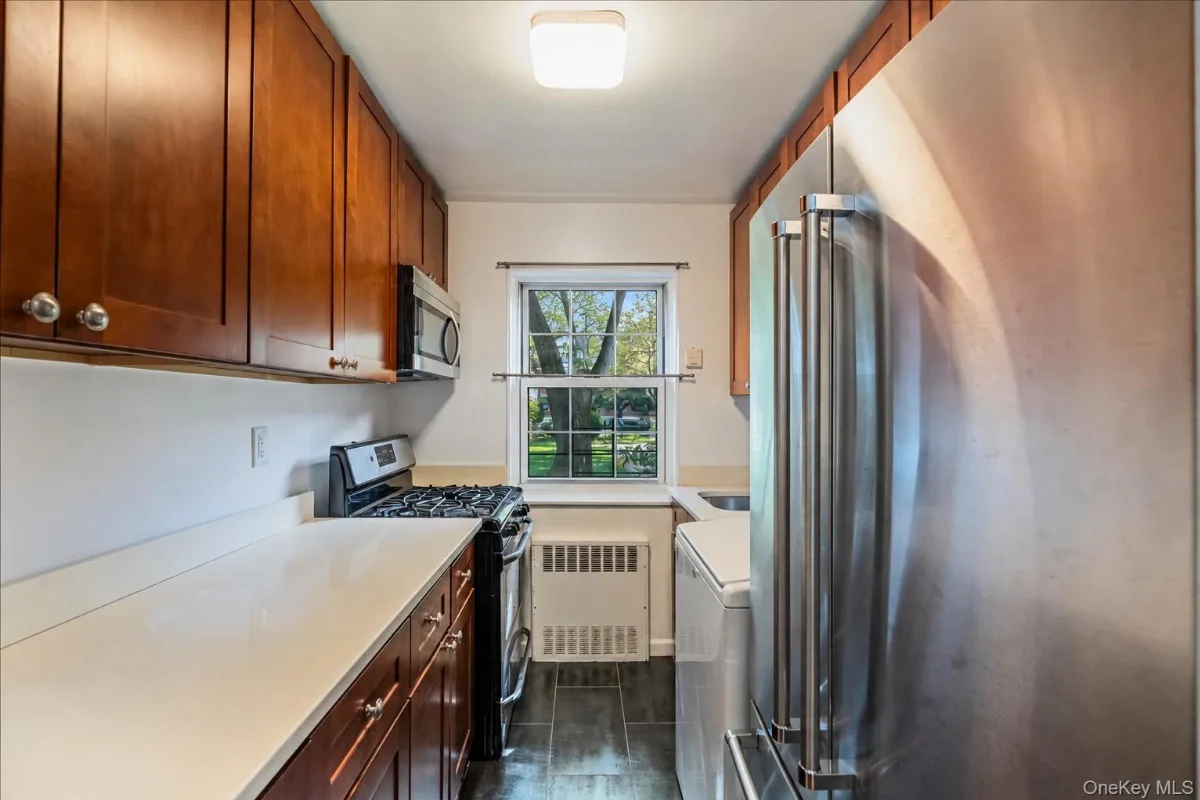 $299K
211-07 73rd Avenue #A, Bayside
Listing courtesy of Daniel Gale Sothebys Intl Rlty
$299K
211-07 73rd Avenue #A, Bayside
Listing courtesy of Daniel Gale Sothebys Intl Rlty
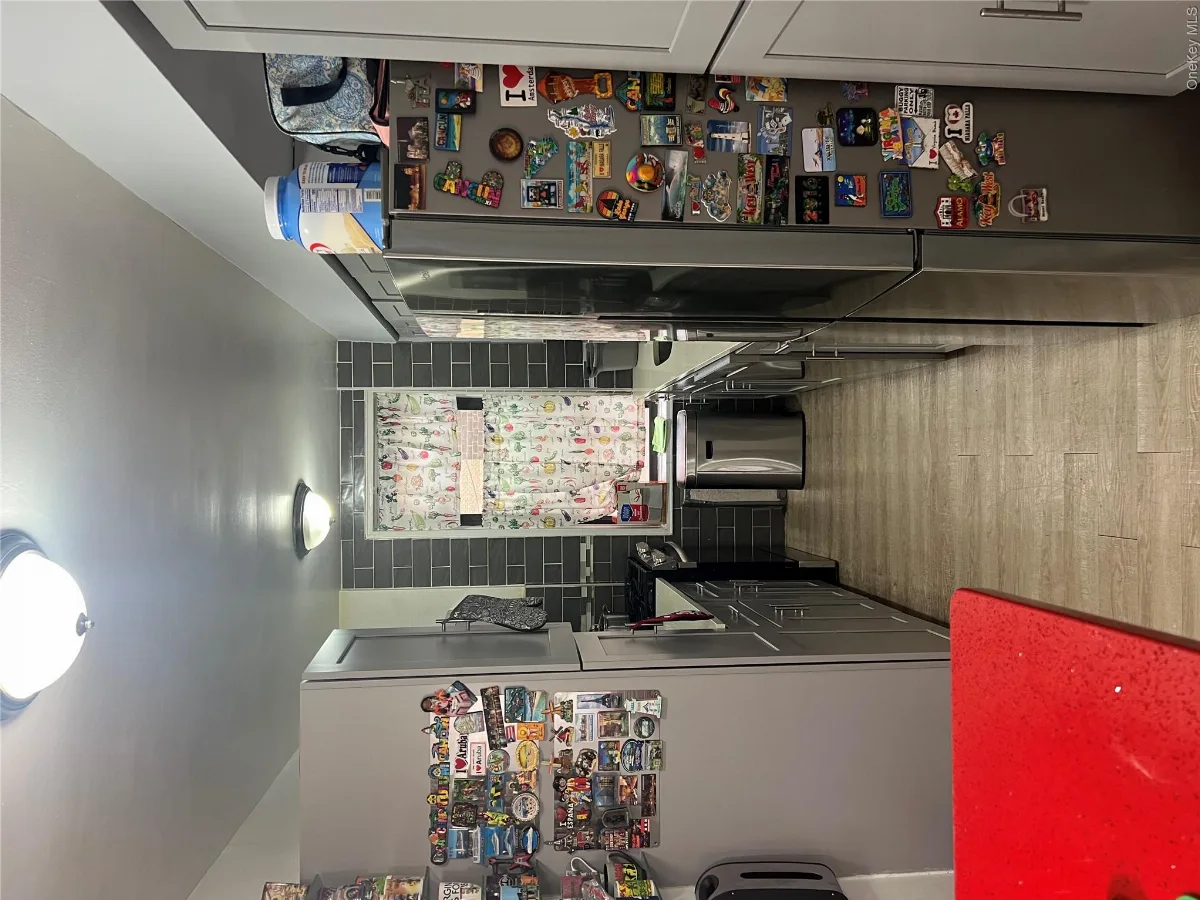 $540K
33-44 Junction Boulevard #1-F, Jackson Heights
Listing courtesy of Portillo Realty Corp
$260
75-01 260th Avenue #2, Glen Oaks
Listing courtesy of JWS Realty Group
$540K
33-44 Junction Boulevard #1-F, Jackson Heights
Listing courtesy of Portillo Realty Corp
$260
75-01 260th Avenue #2, Glen Oaks
Listing courtesy of JWS Realty Group
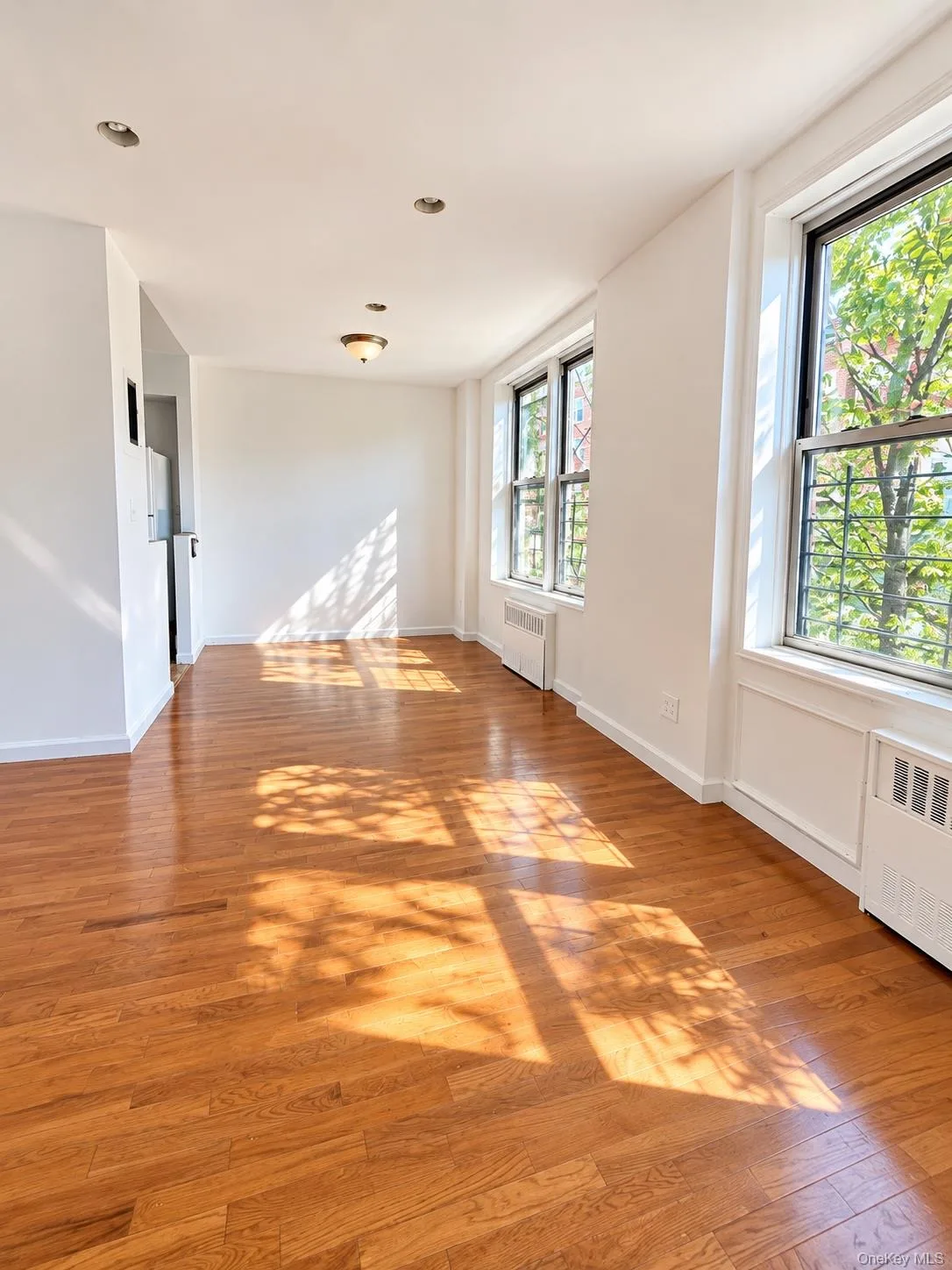 $120K
86-16 60th Avenue #3C, Elmhurst
Listing courtesy of Fave Realty Inc.
$120K
86-16 60th Avenue #3C, Elmhurst
Listing courtesy of Fave Realty Inc.
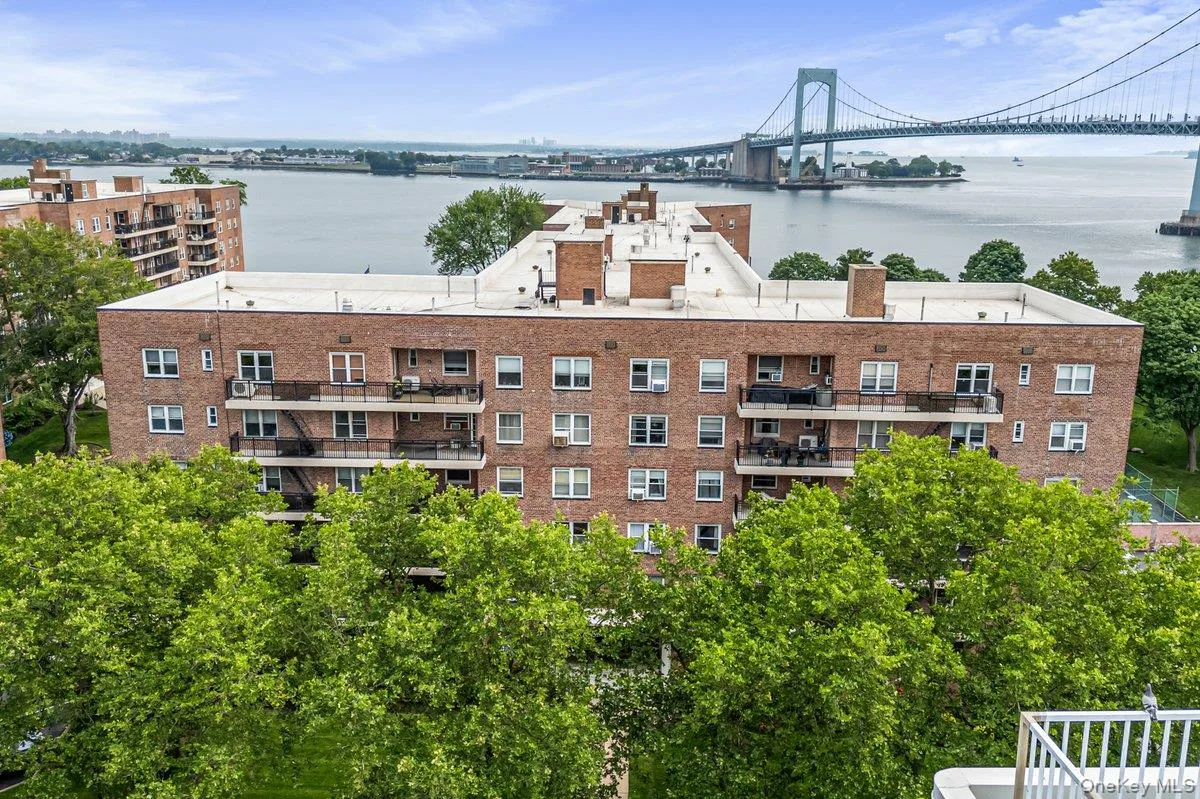 $688K
162-01 Powells Cove Boulevard #2D, Beechhurst
Listing courtesy of Lovett Realty Inc
$688K
162-01 Powells Cove Boulevard #2D, Beechhurst
Listing courtesy of Lovett Realty Inc
Who has cut their asking price
567 of the 1,534 Queens coops for sale are asking less than they originally asked — 37.0%.
Queens condo sellers cut less often — 26.0% of the 933 on the market. The two boroughs run opposite ways on this: in Queens it is the coop sellers who cut more often, and in Brooklyn it is the condo sellers.
A coop counts as reduced when its current asking price is below the price it was first listed at — the seller's own two numbers, not an estimate and not a comparison with other units. Updated daily from the OneKey MLS feed.
How often Queens co-op listings don’t sell
1,578 of 4,062 Queens co-op listings that ended between October 2025 and September 2026 expired or were withdrawn without selling — 39%.
- Co-ops39%1,578 of 4,062
- Condos59%1,511 of 2,562
- Houses37%1,752 of 4,707
Here co-ops fail to sell about as often as Queens houses (37%), and less often than Queens condos (59%).
Share not selling, month by month
Direction: falling — 35% over the last three months against 41% over the first three.
How this is measured
Counted as listing attempts, not homes: a home that is relisted counts again, though within the year that averages about 1.1 attempts per home here. A listing counts as not selling when it expired, was canceled or was withdrawn; homes taken off the market only temporarily are left out.
The MLS does not record why a co-op sale fell through, so these figures cannot say how many deals ended at the board rather than before it.
Data courtesy of OneKey® MLS as distributed by MLS GRID, October 1, 2025 – September 30, 2026.
Which Queens coop developments do buyers pursue most?
The developments below are ranked by observed market activity — closed coop sales over the trailing 12 months, then current availability and sale speed. Each ranking shows the numbers behind it: this is measured activity in the buildings themselves, not opinion. Click any development for its own market page — live listings, carrying costs, qualification expectations, and recent-sale aggregates.
- 1
- 2
- 3
- 4
- 5
- 6
- 7
-
8
Bell Park Manor Terrace Queens Village30 sold / 12 mo 33 for sale now $299K median ask 53 median days
- 9
- 10
These are the 10 most active of 334 coop developments our records identify in Queens. See the full Queens coops directory →
Queens Coops — Waterfront & Water View
13 developments in our records, listed by town. These are directory entries — height, year and typical fee from the listings we hold. Sale and availability figures appear on the coop developments we track individually.
-
Bay Terrace
- Towers At Waters Edge 17 storeys · built 1970 · ~$974/mo
- Bell Apartments 6 storeys · built 1960 · ~$1,700/mo
- Bay Terrace Section 8 6 storeys · built 1960
- Bay Terrace Section Viii 6 storeys · built 1960
-
Bayside
- Lakeside Towers 16 storeys · built 1962 · ~$100/mo
-
Flushing
- Linden Hill 6 storeys · built 1954
- Kissena Co-Op 6 storeys · built 1954
-
Howard Beach
- Barclay 6 storeys · built 1965
-
Little Neck
- Deepdale Gardens 2 storeys · built 1953 · ~$1,077/mo
- Valerie Arms 6 storeys · built 1961 · ~$29/mo
-
Whitestone
- Le Havre On The Water 9 storeys · built 1955 · ~$1,730/mo
- Cryder Point 6 storeys · built 1958 · ~$1,200/mo
- Cryder House 21 storeys · built 1962 · ~$2,661/mo
Queens Coops — Garden
42 developments in our records, listed by town. These are directory entries — height, year and typical fee from the listings we hold. Sale and availability figures appear on the coop developments we track individually.
-
Bay Terrace
- Bay Terrace Gardens 2 storeys · built 1958 · ~$1,210/mo
-
Bayside
- Baydale 2 storeys · built 1950 · ~$740/mo
- Rocky Hill Terrace 3 storeys · built 1950
-
Bellerose
- Parkwood Estates 2 storeys · built 1950 · ~$1,176/mo
-
Briarwood
- Parkway Village 2 storeys · built 1947
-
Fresh Meadows
- Meadowlark Gardens 2 storeys · built 1951 · ~$789/mo
-
Glen Oaks
- Glen Oaks Village 2 storeys · built 1950 · ~$540/mo
-
Holliswood
- Holliswood Owners Corp 2 storeys · built 1950
-
Howard Beach
- Lindenwood Gardens 2 storeys · built 1964 · ~$866/mo
- Princeton 2 storeys · built 1963
-
Kew Gardens Hills
- Regency Gardens 3 storeys · built 1940 · ~$1,129/mo
- Georgetown Mews 2 storeys · built 1952 · ~$749/mo
- Hyde Park Gardens 2 storeys · built 1950 · ~$867/mo
- Joyce Garden 3 storeys · built 1952
-
Little Neck
- Deepdale Gardens 2 storeys · built 1953 · ~$1,077/mo
- Beech Hills 2 storeys · built 1953 · ~$1,086/mo
-
North Hills
- Langdale Gardens 2 storeys · built 1950
-
Oakland Gardens
- Windsor Oaks 2 storeys · built 1955 · ~$1,126/mo
- Bell Park Gardens 2 storeys · built 1950
- Alley Pond 2 storeys · built 1950 · ~$920/mo
- Hollis Court 2 storeys · built 1955 · ~$850/mo
- Estates At Bayside 2 storeys · built 1949
-
Queens Village
- Bell Park Manor Terrace 2 storeys · built 1951 · ~$884/mo
-
Whitestone
- Clearview Gardens 2 storeys · built 1950 · ~$1,208/mo
Showing 24 of 42. See all 42 garden Queens coops →
Queens Coops — High-Rise
88 buildings in our records, listed by town. These are directory entries — height, year and typical fee from the listings we hold. Sale and availability figures appear on the coop developments we track individually.
-
Astoria
- Queensview 15 storeys · built 1958
-
Bay Terrace
- Towers At Waters Edge 17 storeys · built 1970 · ~$974/mo
-
Bayside
- Lakeside Towers 16 storeys · built 1962 · ~$100/mo
-
Briarwood
- Greenbriar 14 storeys · built 1967
- The Arlington 7 storeys · built 1958
-
Forest Hills
- Birchwood Towers 30 storeys · built 1964 · ~$1,232/mo
- The Continental 15 storeys · built 1962 · ~$790/mo
- Kennedy House 33 storeys · built 1965
- The Fairview 15 storeys · built 1964 · ~$1,106/mo
- Gerard Towers 25 storeys · built 1964
- Barclay Plaza 10 storeys · built 1956
-
Glendale
- Forest View Crescent 20 storeys · built 1965
-
Holliswood
- Hilltop Village 7 storeys · built 1950 · ~$1,125/mo
-
Jackson Heights
- Roosevelt Terrace 9 storeys · built 1954 · ~$615/mo
-
Kew Gardens
- Park Lane South 21 storeys · built 1974 · ~$1,429/mo
-
Other
- North Queensview 15 storeys · built 1958
-
Rego Park
- Park City 3&4 15 storeys · built 1954
- Park City Estates 17 storeys · built 1960 · ~$1,153/mo
- Anita Terrace 14 storeys · built 1952
- The Howard 11 storeys · built 1952 · ~$878/mo
- Park Plaza 15 storeys · built 1960 · ~$1,311/mo
-
Whitestone
- Le Havre On The Water 9 storeys · built 1955 · ~$1,730/mo
-
Woodside
- Berkeley Towers 12 storeys · built 1963 · ~$16/mo
- Celtic Park 7 storeys · built 1935 · ~$1,134/mo
Showing 24 of 88. See all 88 high-rise Queens coops →
Where are the most active coops markets in Queens?
Ranked by observed market activity — closed coop sales over the trailing 12 months and how quickly those sales went under contract. The numbers behind each ranking are shown on its card; this is measured activity, not opinion.
-
1
Forest Hills439 sold / 12 mo 65 median days $349K median ask 252 active now
-
2
Jackson Heights182 sold / 12 mo 85 median days $334K median ask 130 active now
-
3
Kew Gardens Hills133 sold / 12 mo 58 median days $309K median ask 100 active now
-
4
Floral Park108 sold / 12 mo 69 median days $359K median ask 28 active now
- 5
-
6
Little Neck94 sold / 12 mo 42 median days $344K median ask 36 active now
Queens Coop Questions, Answered
What is the coop board approval process in Queens?
After a signed contract, the buyer submits a board package — typically a financial statement, tax returns, bank statements, reference letters, and the purchase application — followed by a board interview. Boards can decline without stating a reason (subject to fair-housing and other anti-discrimination laws). Timelines vary by building. A well-prepared package is the single biggest thing a buyer controls.
What happens at a coop board interview, and how should I prepare?
Most boards interview after reviewing your financial package — usually a short in-person or video meeting with a handful of board members. Expect questions about your finances, why you want to live in the building, and how you'll use the apartment; boards are gauging fit as much as qualification, and they cannot legally ask about protected categories like family status, religion, or national origin. The best preparation is a clean, complete board package beforehand — interviews go smoothly when there's nothing left for the board to ask about.
What does coop maintenance actually cover?
Maintenance is your monthly payment to the coop corporation, and it is one bill covering several things at once: the building's property taxes, your share of the underlying mortgage if the building carries one, staff and day-to-day operations, insurance, and contributions to reserves. Because the property taxes sit inside it, a portion of your maintenance is typically tax-deductible — your accountant can tell you which portion for a given building. The current maintenance figure appears on every coop listing we show. One note if you are comparing against condos: a condo's common charges exclude taxes and any underlying mortgage, so a coop maintenance figure will look higher for the same apartment without actually costing more.
How much do I need to put down on a coop?
Each coop building sets its own minimum, and it is a building rule rather than a lender rule — so it applies even to a buyer a bank would happily approve. Of the 755 co-op corporations whose minimum down payment we have confirmed from MLS listings, 72% require 20%, 18% allow 10%, and 9% require 25% or more. Some also require post-closing liquidity — months of mortgage and maintenance held in reserve after closing — on top of the down payment. We publish the confirmed minimum on the building pages where we can verify it, and confirm it listing by listing otherwise.
What debt-to-income ratio do coop boards look for?
Many boards set a maximum share of your gross income that your total housing costs and debt payments may take up. The threshold, and how strictly it's enforced, is set by each building. It's a board policy, not a lender requirement, and it's worth checking before you fall for a unit that a particular building's math won't support.
What is a post-closing liquidity requirement?
Some coop boards require you to keep a set amount of cash or liquid assets, measured in months of mortgage and maintenance payments, in reserve after your closing costs and down payment are paid, as proof you can weather a job loss or emergency without falling behind. It's on top of the down payment, not part of it, and requirements vary widely by building.
What is a sponsor unit, and can I buy a coop without board approval?
A sponsor unit is an apartment still owned by the entity that originally converted the building to a coop, rather than by an individual shareholder. Sponsor sales commonly skip the financial-package-and-interview process a resale requires, though the sponsor may still have its own approval or financing conditions, and house rules like sublet limits still apply once you own it. Sponsor units are worth asking about specifically if board approval is your biggest concern.
How can I check a coop building's finances before buying?
The board package process gives you access to the building's financial statements, board meeting minutes, reserve fund balance, and any pending assessments or litigation — an accountant or attorney can spot warning signs like thin reserves, rising underlying debt, or deferred maintenance that a listing description won't mention. This is exactly where having an attorney's eye on your deal from the start pays off, rather than discovering an issue after you're under contract.
What is a flip tax and who pays it?
A flip tax is a transfer fee charged by the coop corporation when a unit sells — commonly a percentage of the sale price or a per-share amount. Who pays it is set by the building's rules and the contract, and it varies by building. It belongs in any serious net-proceeds estimate, which is why our seller conversations start with the building's actual rules.
Can I sublet a coop apartment?
Only if the building allows it. Sublet policies range from prohibited, to allowed after a minimum period of owner occupancy, to allowed with board approval and fees. If rental flexibility matters to you, the proprietary lease and house rules need to be checked before you make an offer — not after.
Why are coop monthly charges higher than condo common charges?
Coop maintenance usually bundles the building's underlying mortgage and property taxes along with operations — condo owners pay property taxes separately. So a coop's higher monthly number is not automatically a worse deal; part of it may also be tax-deductible. Comparing a coop and condo fairly means comparing the all-in monthly cost, which we break down for every listing we work on.

Listings courtesy of OneKey® MLS as distributed by MLS GRID.
Based on information submitted to the MLS GRID as of October 10, 2026 7:45 pm. All data is obtained from various sources and may not have been verified by broker or MLS GRID. Supplied Open House Information is subject to change without notice. All information should be independently reviewed and verified for accuracy. Properties may or may not be listed by the office/agent presenting the information.
Personal-use terms and which listings this site shows: MLS & Data Disclosures

The DeVito Team of Keller Williams Realty Greater Nassau
Joseph DeVito, NY Licensed Associate Real Estate Broker
400 Garden City Plaza Ste 438, Garden City, NY 11530 · (516) 770-3782