Queens 2,490 sales
$330,000
median co-op closed-sale price
Middle half sold for$263,000–$405,000
Median vs prior 12 monthsAbout the same
Typical days on market64
Q4 2024quarterly median · scale ±20%Q3 2026
Queens co-ops by town & building →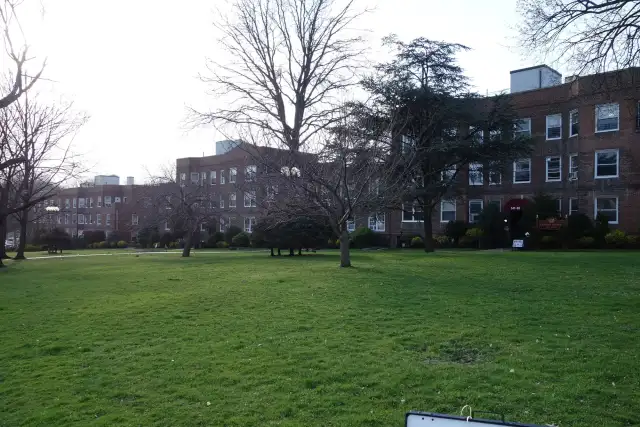
The coop market in Queens, tracked as its own segment — inventory, pricing, and pace measured for coops specifically, not blended with houses.
SOLD Closed sales, November 2025 to October 2026 · Updated November 3, 2026
$330,000
median co-op closed-sale price
Prices buyers paid, not asking prices — the asking-side figures are below. A median follows the mix of homes that sold. Compare all counties and value your apartment →
Data courtesy of OneKey® MLS as distributed by MLS GRID, November 1, 2025 – October 31, 2026.
Buyer's Market Based on months of inventory for coops specifically — not blended with houses. As of November 2026.
Comparing August through October 2026 with August through October 2025, the median sale price in the Queens coop market has held broadly steady, from about $333K to $335K. Over the past 2 years, monthly medians have ranged from $315K to $347K. Homes took longer to sell: about 92 days on market, against 85 a year earlier.
The 6 newest active coop listings in Queens.
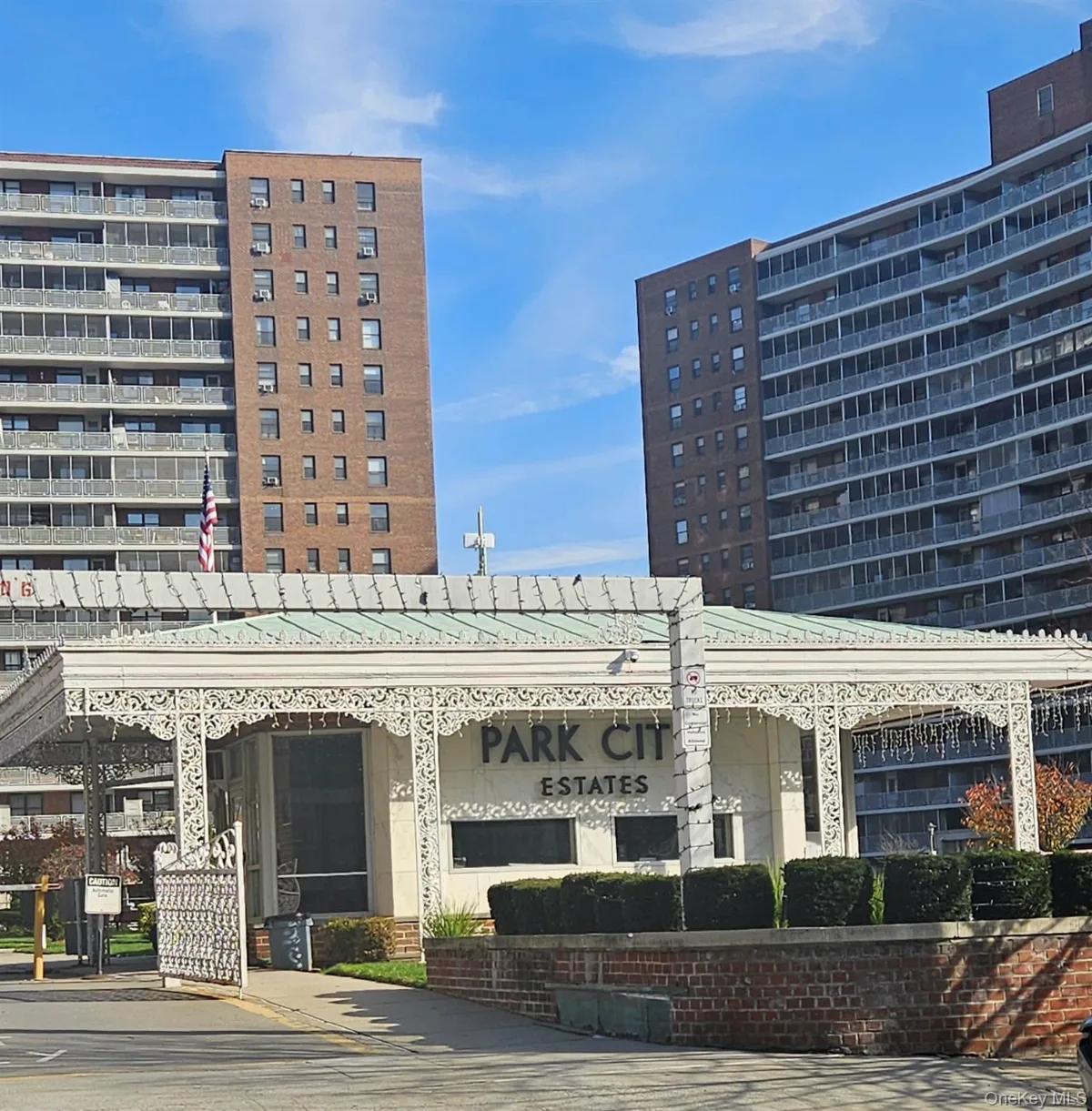 $595K
6145 98th Street #6K, Rego Park
Listing courtesy of Exit All Seasons Realty
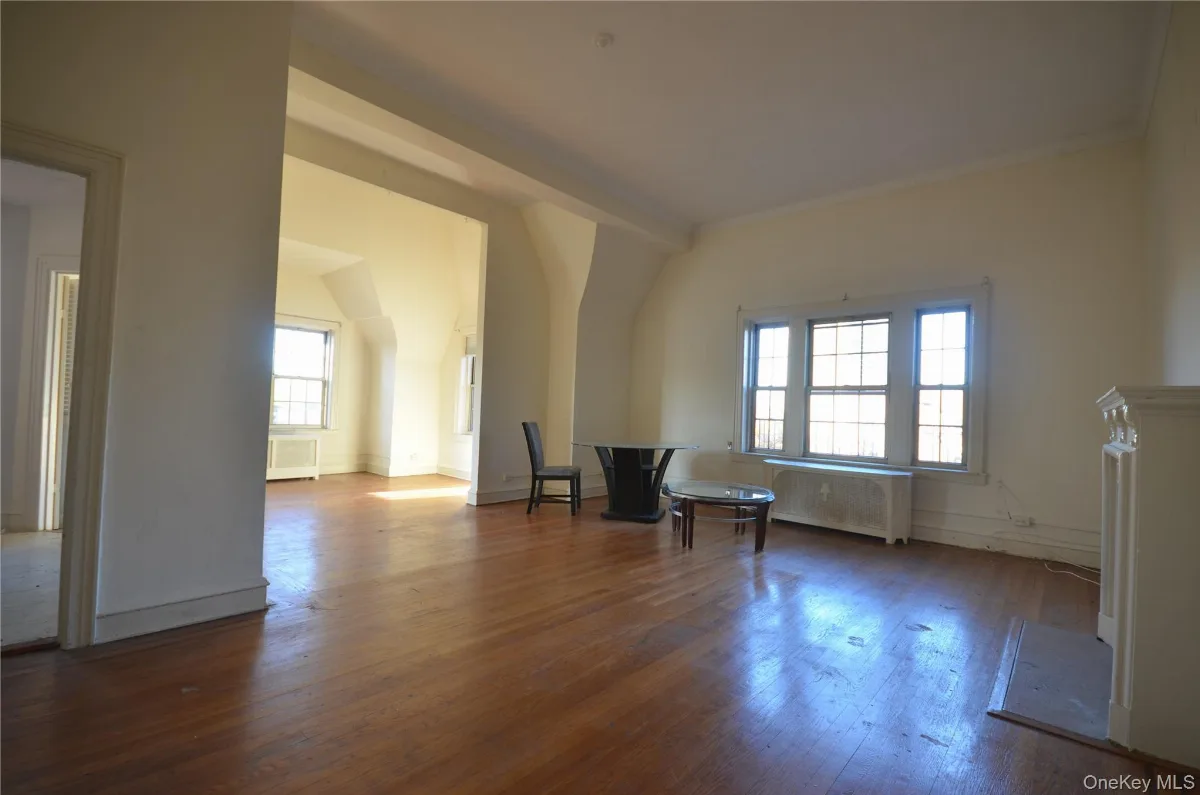 $379K
150 Burns Street #6C, Forest Hills
Listing courtesy of Brown Harris Stevens FH
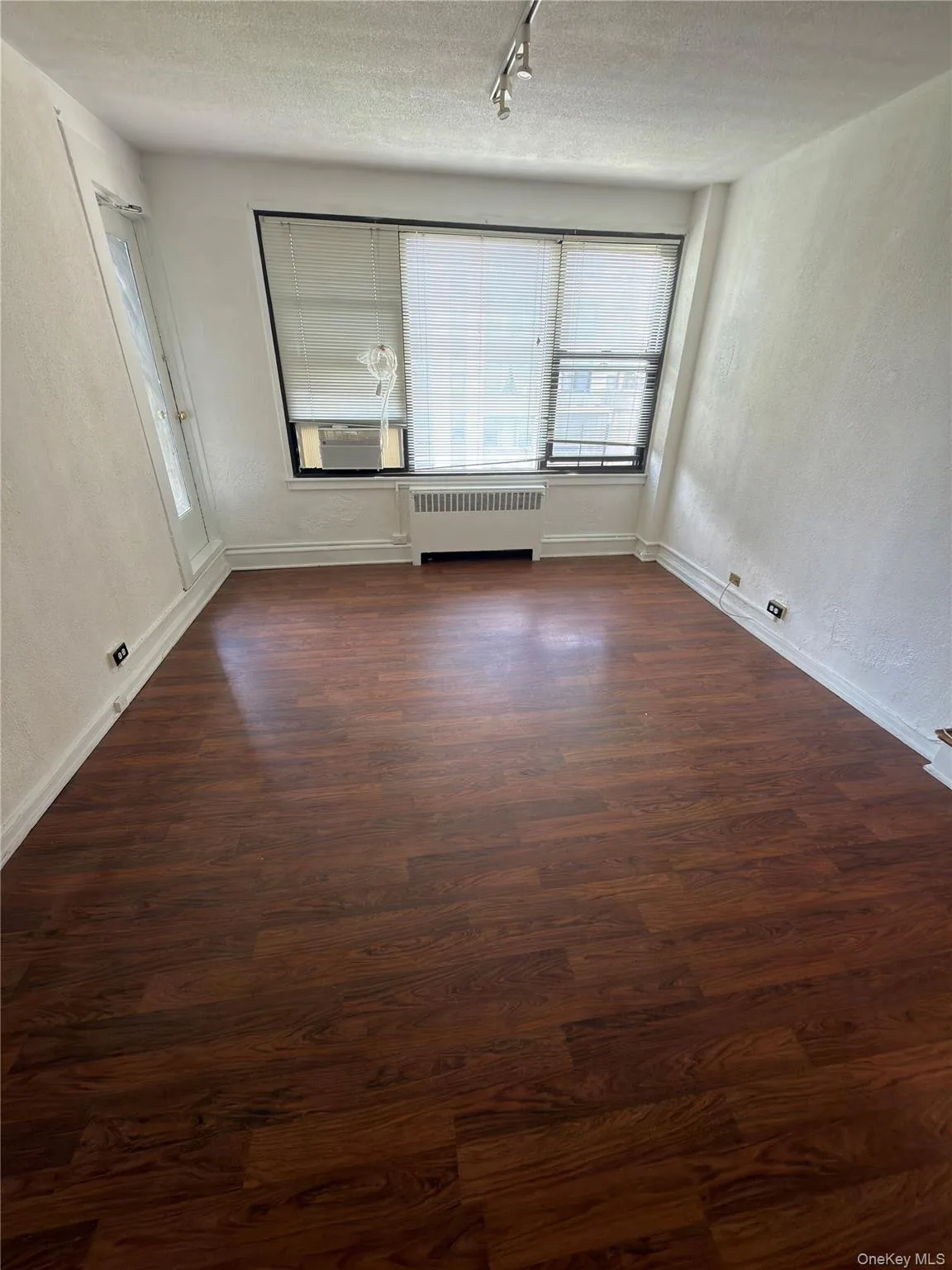 $285K
98-40 64 Avenue #6G, Rego Park
Listing courtesy of DNLS Real Estate Mgmt LLC
 $365K
86-29 Springfield Boulevard #Duplex, Queens Village
Listing courtesy of Compass Greater NY LLC
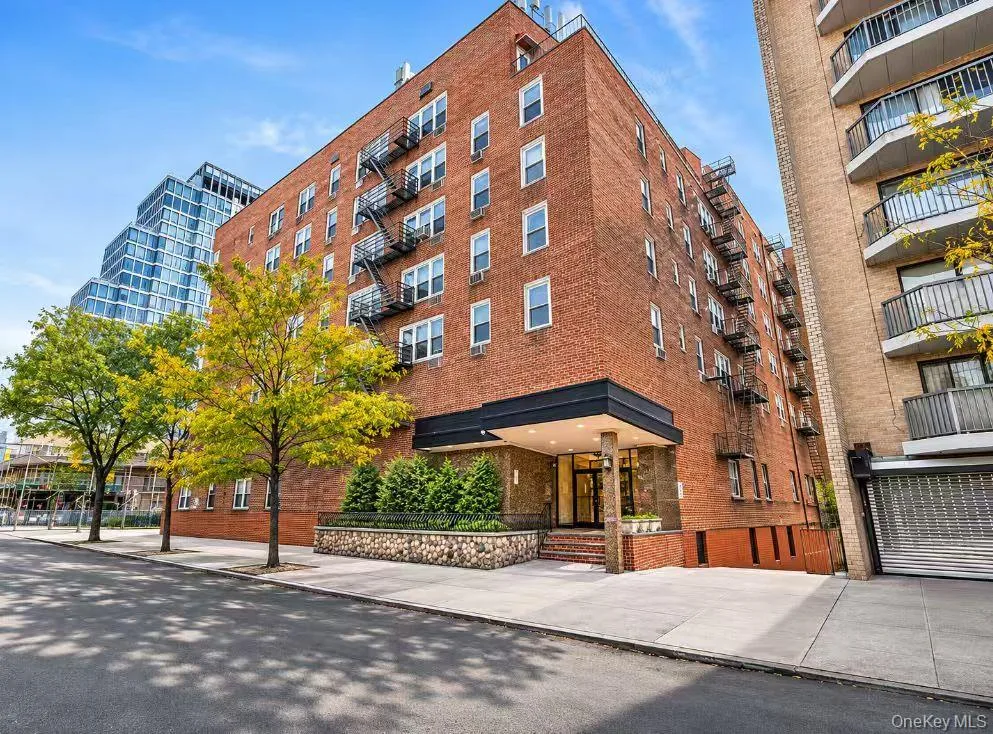 $548K
134-54 Maple Avenue #2W, Flushing
Listing courtesy of Lin Pan Realty Group LLC
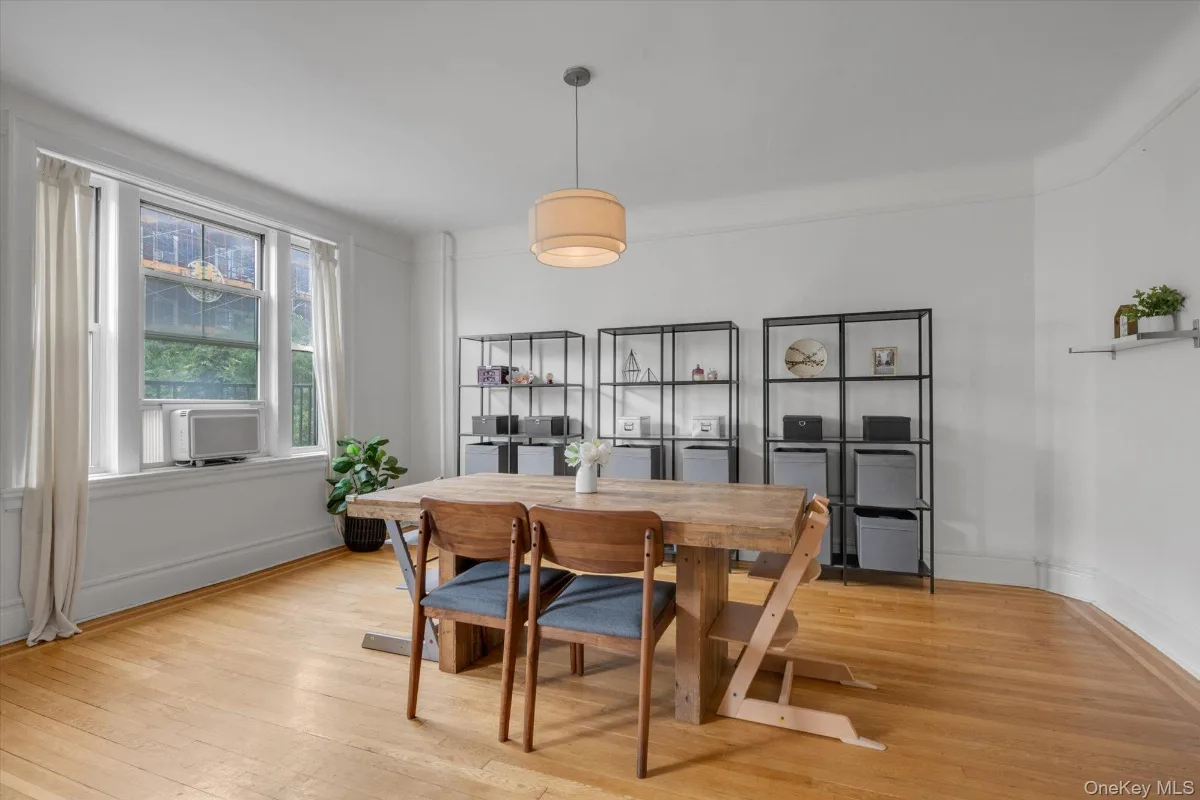 $735K
3515 78th Street #41, Jackson Heights
Listing courtesy of Keller Williams Realty Greater
591 of the 1,520 Queens coops for sale are asking less than they originally asked — 38.9%.
Queens condo sellers cut less often — 26.1% of the 949 on the market. The two boroughs run opposite ways on this: in Queens it is the coop sellers who cut more often, and in Brooklyn it is the condo sellers.
A coop counts as reduced when its current asking price is below the price it was first listed at — the seller's own two numbers, not an estimate and not a comparison with other units. Updated daily from the OneKey MLS feed.
1,571 of 4,077 Queens co-op listings that ended between November 2025 and October 2026 expired or were withdrawn without selling — 39%.
Here co-ops fail to sell about as often as Queens houses (38%), and less often than Queens condos (59%).
Share not selling, month by month
Direction: falling — 33% over the last three months against 44% over the first three.
Counted as listing attempts, not homes: a home that is relisted counts again, though within the year that averages about 1.1 attempts per home here. A listing counts as not selling when it expired, was canceled or was withdrawn; homes taken off the market only temporarily are left out.
The MLS does not record why a co-op sale fell through, so these figures cannot say how many deals ended at the board rather than before it.
Data courtesy of OneKey® MLS as distributed by MLS GRID, November 1, 2025 – October 31, 2026.
The developments below are ranked by observed market activity — closed coop sales over the trailing 12 months, then current availability and sale speed. Each ranking shows the numbers behind it: this is measured activity in the buildings themselves, not opinion. Click any development for its own market page — live listings, carrying costs, qualification expectations, and recent-sale aggregates.
These are the 10 most active of 334 coop developments our records identify in Queens. See the full Queens coops directory →
13 developments in our records, listed by town. These are directory entries — height, year and typical fee from the listings we hold. Sale and availability figures appear on the coop developments we track individually.
42 developments in our records, listed by town. These are directory entries — height, year and typical fee from the listings we hold. Sale and availability figures appear on the coop developments we track individually.
Showing 24 of 42. See all 42 garden Queens coops →
88 buildings in our records, listed by town. These are directory entries — height, year and typical fee from the listings we hold. Sale and availability figures appear on the coop developments we track individually.
Showing 24 of 88. See all 88 high-rise Queens coops →
Ranked by observed market activity — closed coop sales over the trailing 12 months and how quickly those sales went under contract. The numbers behind each ranking are shown on its card; this is measured activity, not opinion.
After a signed contract, the buyer submits a board package — typically a financial statement, tax returns, bank statements, reference letters, and the purchase application — followed by a board interview. Boards can decline without stating a reason (subject to fair-housing and other anti-discrimination laws). Timelines vary by building. A well-prepared package is the single biggest thing a buyer controls.
Most boards interview after reviewing your financial package — usually a short in-person or video meeting with a handful of board members. Expect questions about your finances, why you want to live in the building, and how you'll use the apartment; boards are gauging fit as much as qualification, and they cannot legally ask about protected categories like family status, religion, or national origin. The best preparation is a clean, complete board package beforehand — interviews go smoothly when there's nothing left for the board to ask about.
Maintenance is your monthly payment to the coop corporation, and it is one bill covering several things at once: the building's property taxes, your share of the underlying mortgage if the building carries one, staff and day-to-day operations, insurance, and contributions to reserves. Because the property taxes sit inside it, a portion of your maintenance is typically tax-deductible — your accountant can tell you which portion for a given building. The current maintenance figure appears on every coop listing we show. One note if you are comparing against condos: a condo's common charges exclude taxes and any underlying mortgage, so a coop maintenance figure will look higher for the same apartment without actually costing more.
Each coop building sets its own minimum, and it is a building rule rather than a lender rule — so it applies even to a buyer a bank would happily approve. Of the 1,012 co-op corporations whose minimum down payment we have confirmed from MLS listings, 75% require 20%, 16% allow 10%, and 8% require 25% or more. Some also require post-closing liquidity — months of mortgage and maintenance held in reserve after closing — on top of the down payment. We publish the confirmed minimum on the building pages where we can verify it, and confirm it listing by listing otherwise.
Many boards set a maximum share of your gross income that your total housing costs and debt payments may take up. The threshold, and how strictly it's enforced, is set by each building. It's a board policy, not a lender requirement, and it's worth checking before you fall for a unit that a particular building's math won't support.
Some coop boards require you to keep a set amount of cash or liquid assets, measured in months of mortgage and maintenance payments, in reserve after your closing costs and down payment are paid, as proof you can weather a job loss or emergency without falling behind. It's on top of the down payment, not part of it, and requirements vary widely by building.
A sponsor unit is an apartment still owned by the entity that originally converted the building to a coop, rather than by an individual shareholder. Sponsor sales commonly skip the financial-package-and-interview process a resale requires, though the sponsor may still have its own approval or financing conditions, and house rules like sublet limits still apply once you own it. Sponsor units are worth asking about specifically if board approval is your biggest concern.
The board package process gives you access to the building's financial statements, board meeting minutes, reserve fund balance, and any pending assessments or litigation — an accountant or attorney can spot warning signs like thin reserves, rising underlying debt, or deferred maintenance that a listing description won't mention. This is exactly where having an attorney's eye on your deal from the start pays off, rather than discovering an issue after you're under contract.
A flip tax is a transfer fee charged by the coop corporation when a unit sells — commonly a percentage of the sale price or a per-share amount. Who pays it is set by the building's rules and the contract, and it varies by building. It belongs in any serious net-proceeds estimate, which is why our seller conversations start with the building's actual rules.
Only if the building allows it. Sublet policies range from prohibited, to allowed after a minimum period of owner occupancy, to allowed with board approval and fees. If rental flexibility matters to you, the proprietary lease and house rules need to be checked before you make an offer — not after.
Coop maintenance usually bundles the building's underlying mortgage and property taxes along with operations — condo owners pay property taxes separately. So a coop's higher monthly number is not automatically a worse deal; part of it may also be tax-deductible. Comparing a coop and condo fairly means comparing the all-in monthly cost, which we break down for every listing we work on.

Listings courtesy of OneKey® MLS as distributed by MLS GRID.
Based on information submitted to the MLS GRID as of November 24, 2026 11:30 pm. All data is obtained from various sources and may not have been verified by broker or MLS GRID. Supplied Open House Information is subject to change without notice. All information should be independently reviewed and verified for accuracy. Properties may or may not be listed by the office/agent presenting the information.
Personal-use terms and which listings this site shows: MLS & Data Disclosures
Buying or selling a coop in Queens?
Talk with JosephTop photo via Wikimedia Commons, resized and cropped: Regency Gardens, Queens by Tdorante10, CC BY-SA 4.0.

The DeVito Team of Keller Williams Realty Greater Nassau
Joseph DeVito, NY Licensed Associate Real Estate Broker
400 Garden City Plaza Ste 438, Garden City, NY 11530 · (516) 770-3782